Google Analytics
Crafting Analytics UI text, terminology, AI chatbot system instructions (Ask Advisor), chart trend syntax, and enterprise advertiser consent strategy.
READ CASE STUDY →CONTENT DESIGNER • A REBEL WITHOUT A CLAUSE

I design meaningful content and interactions that make complex products human and clear.
Fluent across content design, front-end code, and visual design, I unlock possibilities that live at the seams between disciplines. I bring a multidimensional perspective to complex AI experiences, system instructions, and scalable frameworks. Past and present work includes Google Analytics, Material Design, Android Auto, and more.
CONTENT DESIGN • FRONT-END CODE • VISUAL DESIGN
HARMONIC INTERACTION MESH — STEADY CONTINUOUS PROPAGATION
DISCIPLINARY FLUENCY
Unlocking possibilities at the seams between disciplines.
01 / SELECTED CASE STUDIES
Explore end-to-end content strategy, AI chatbot instructions, design systems, and UX writing across Google’s flagship platforms.
Crafting Analytics UI text, terminology, AI chatbot system instructions (Ask Advisor), chart trend syntax, and enterprise advertiser consent strategy.
READ CASE STUDY →
Defining the voice, terminology, component naming, developer codelabs, and information architecture for Google’s official design system guidelines.
READ CASE STUDY →
Designing glanceable, safety-critical UI text, partner head-unit design guidance, third-party developer layout specs, and team style guides.
READ CASE STUDY →
Building foundational content strategy, message prioritization frameworks, readability scoring, and app UX writing for Google’s premium membership program.
READ CASE STUDY →Coined the industry-standard “motion intensity” rating for Daydream and crafted sensory VR welcome flows.
EXPLORE GOOGLE VR →“What if the Material Guidelines were a comic book?” plus published essays on designing better language.
EXPLORE FUN STUFF →Background in interaction design, print design, and front-end web development—plus nordic skier, drummer, and painter.
READ ABOUT ME →Ask questions directly to Emily’s custom-built conversational AI agent trained on her portfolio and experience.
LAUNCH AI CHAT →PROFILE // FULL-STACK CONTENT DESIGN
I'm a content designer with a background in interaction design, print design, and front-end web development. You could say I'm familiar with all the UX angles.
I DO FULL-STACK CONTENT, INCLUDING:
On the side, I'm nordic skier, drummer, and sometimes painter ↗.
LEAD WRITER • GOOGLE ANALYTICS & GOOGLE ADS
Google Analytics helps enterprise and consumer users measure and analyze their website and app activity. I craft Analytics UI text, terminology, and content strategy.
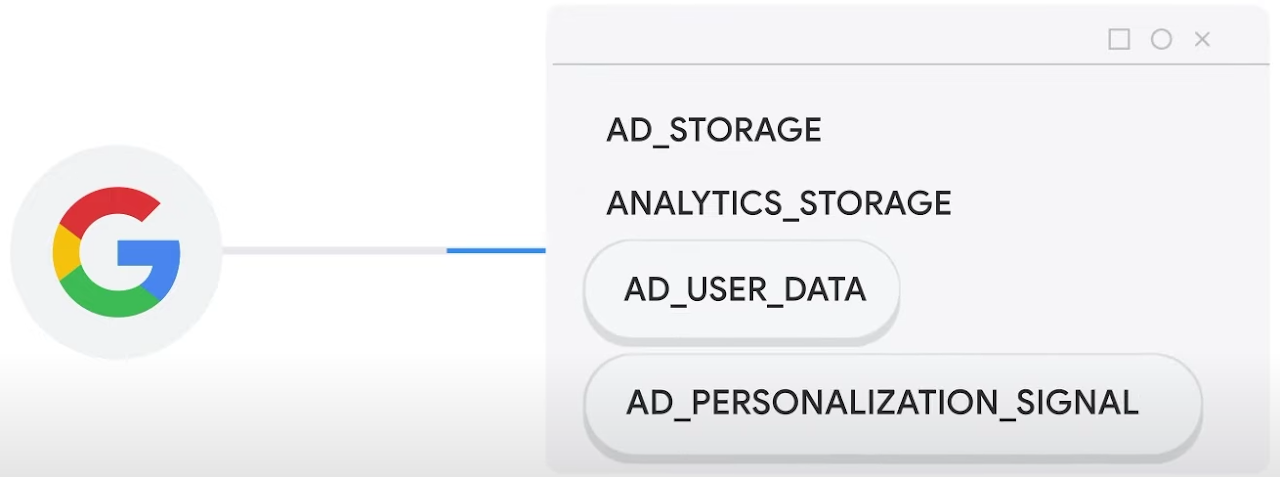
Google Ads introduced solutions for advertisers to obtain end user consent. I lead content creation, terminology, and strategy for consent-related efforts.
01 / AI CHATBOTS
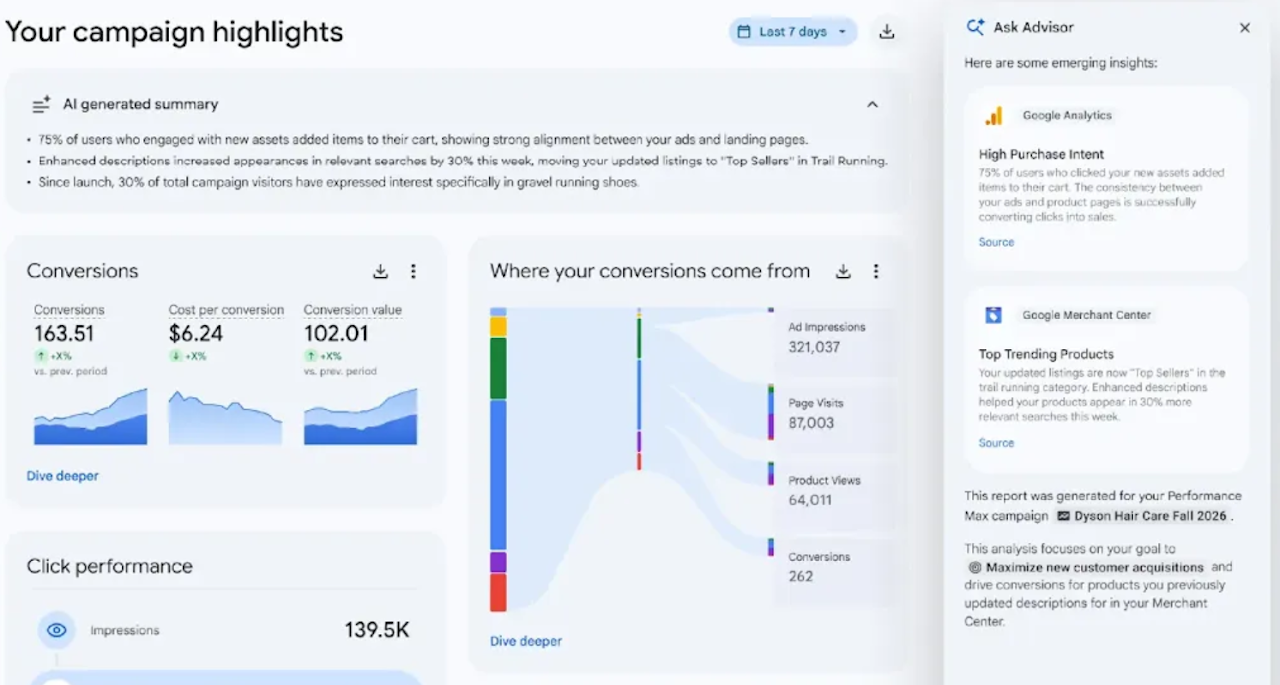
Google Ads has a chatbot called Ask Advisor that users can ask account questions.
I created foundational content styling system instructions to improve the readability, comprehension level, and align terminology of this chatbot.
CONTENT IMPACT
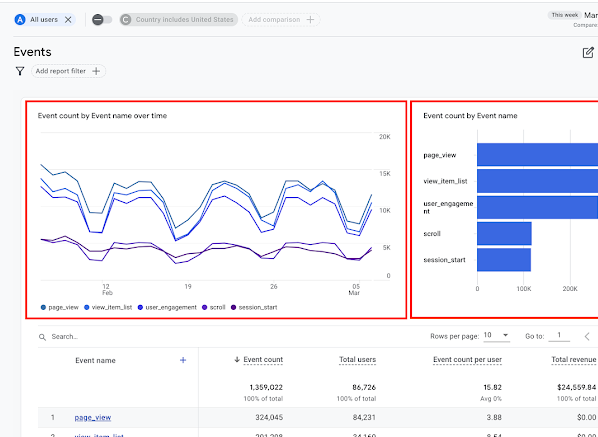
Google Analytics charts and graphs are generated on the fly using personalized account data, so they need content to flex to describe whatever they might show.
I created content syntax and terminology which generates custom captions to describe any chart trend.
CONTENT IMPACT
I developed custom chatbots designed to help non-writers with their tasks.
Created a chatbot that writes accessible captions for images that follow existing content patterns and best practices.
Created a chatbot that writes tooltips using custom content patterns and term definition libraries.
02 / ANALYTICS FEATURES
Analytics helps businesses measure their performance metrics, such as time spent on a website.
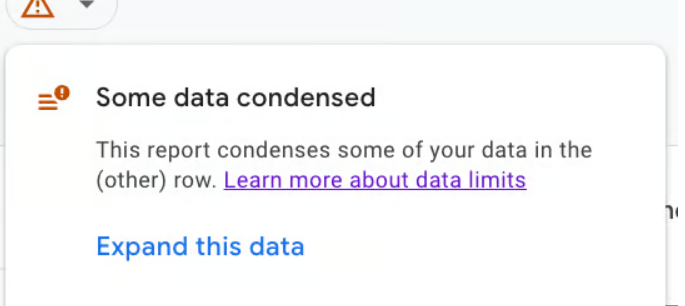
If a Google Analytics data table reaches maximum capacity, some of that data is consolidated into a single table row. Users can now expand this data.
CONTENT IMPACT
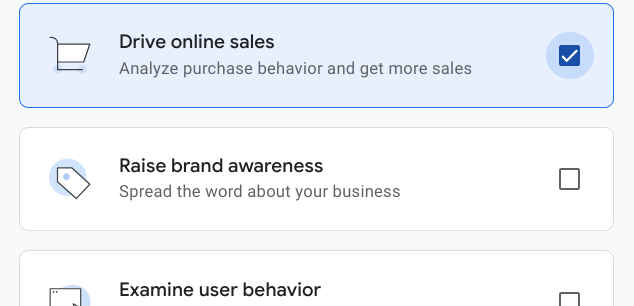
To get a more personalized Analytics experience, you can choose the topics that are important to your business.
CONTENT IMPACT
03 / ANALYTICS CONTENT STRATEGY
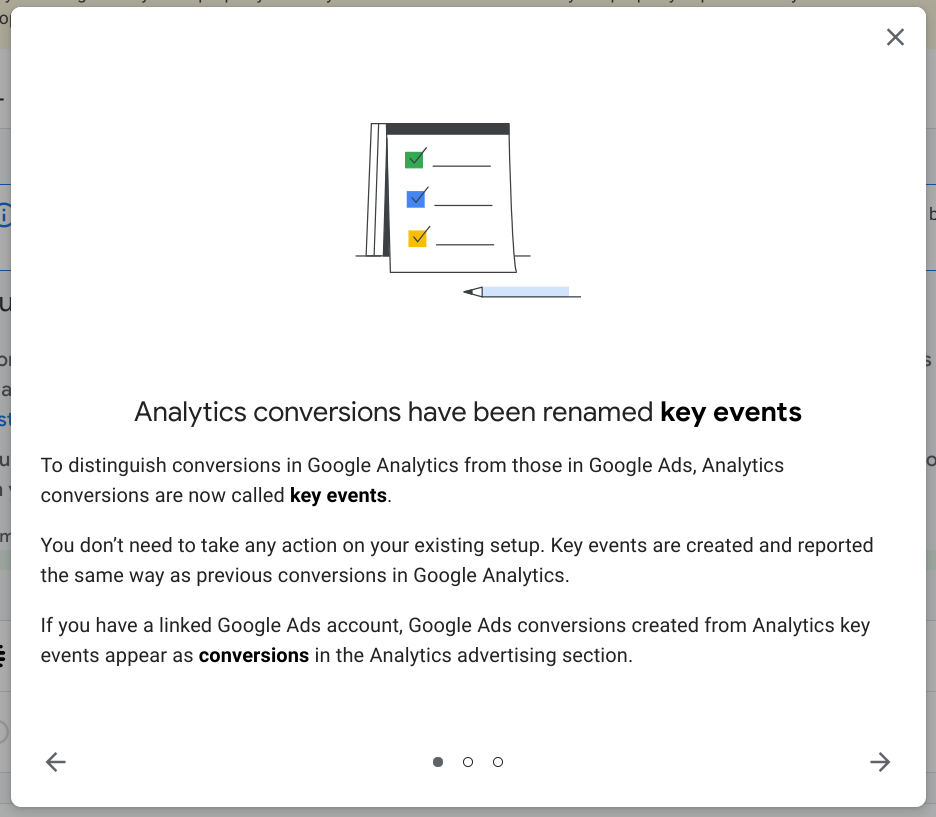
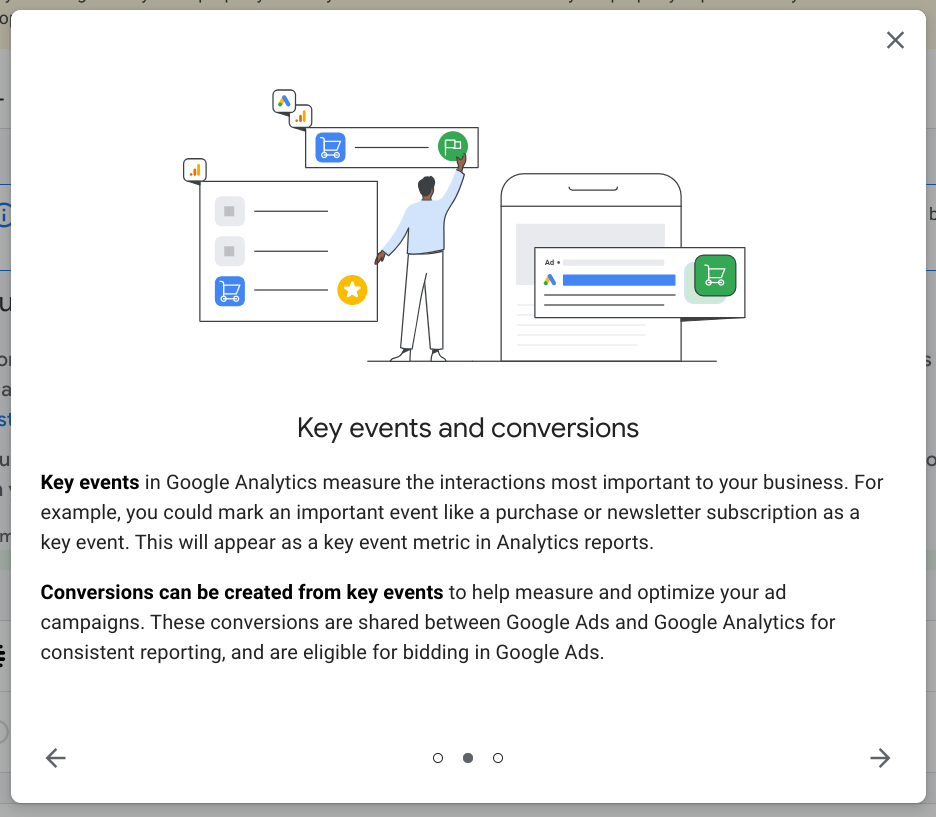
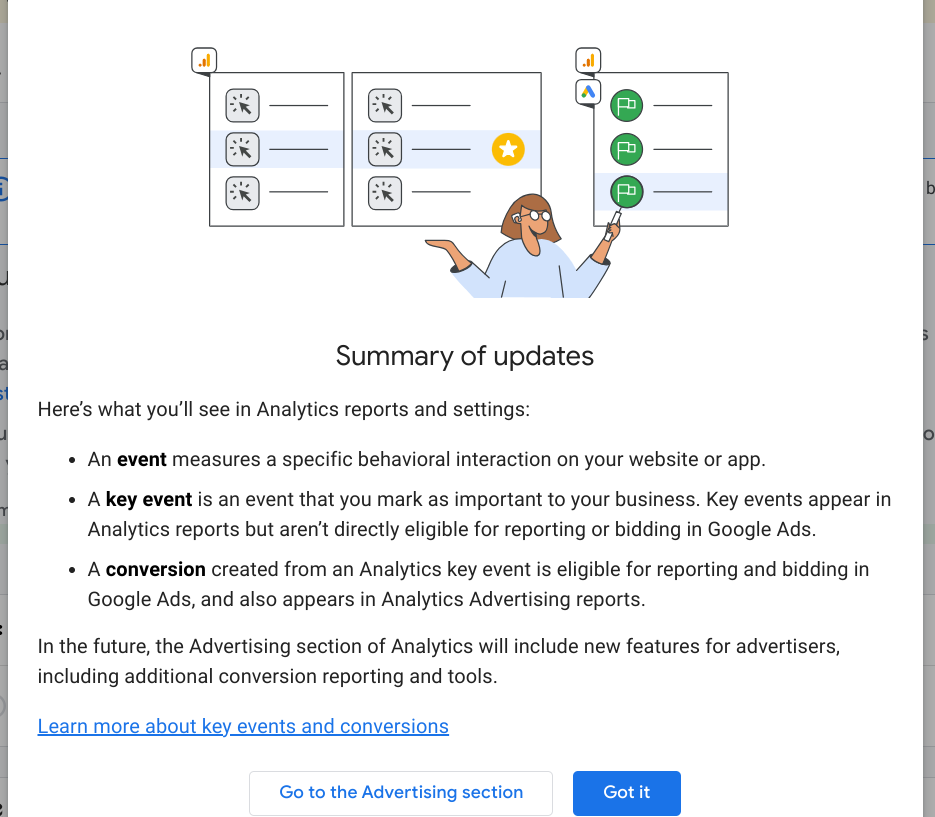
The term "conversions" has historically been used to refer to different concepts in Google Ads and Google Analytics.
To promote a consistent definition of what a conversion is, Analytics renamed their type of conversion to a key event.
CONTENT IMPACT
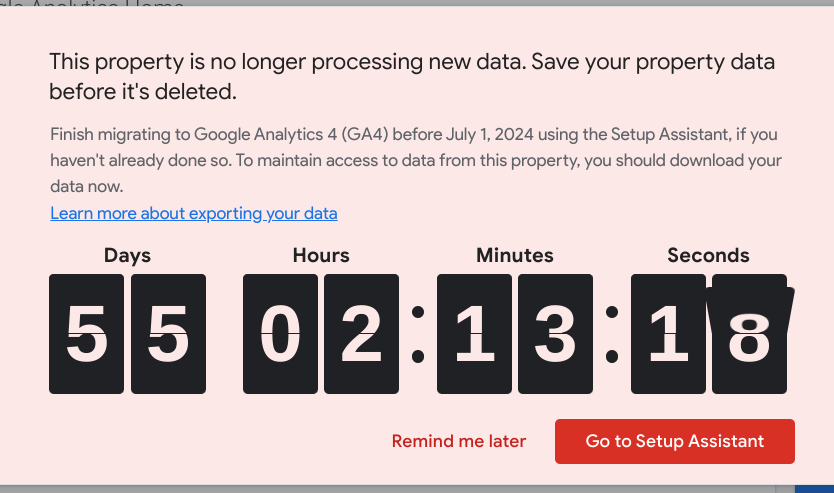
Google Analytics launched its next-generation product.
CONTENT IMPACT
04 / ADVERTISER CONSENT STRATEGY
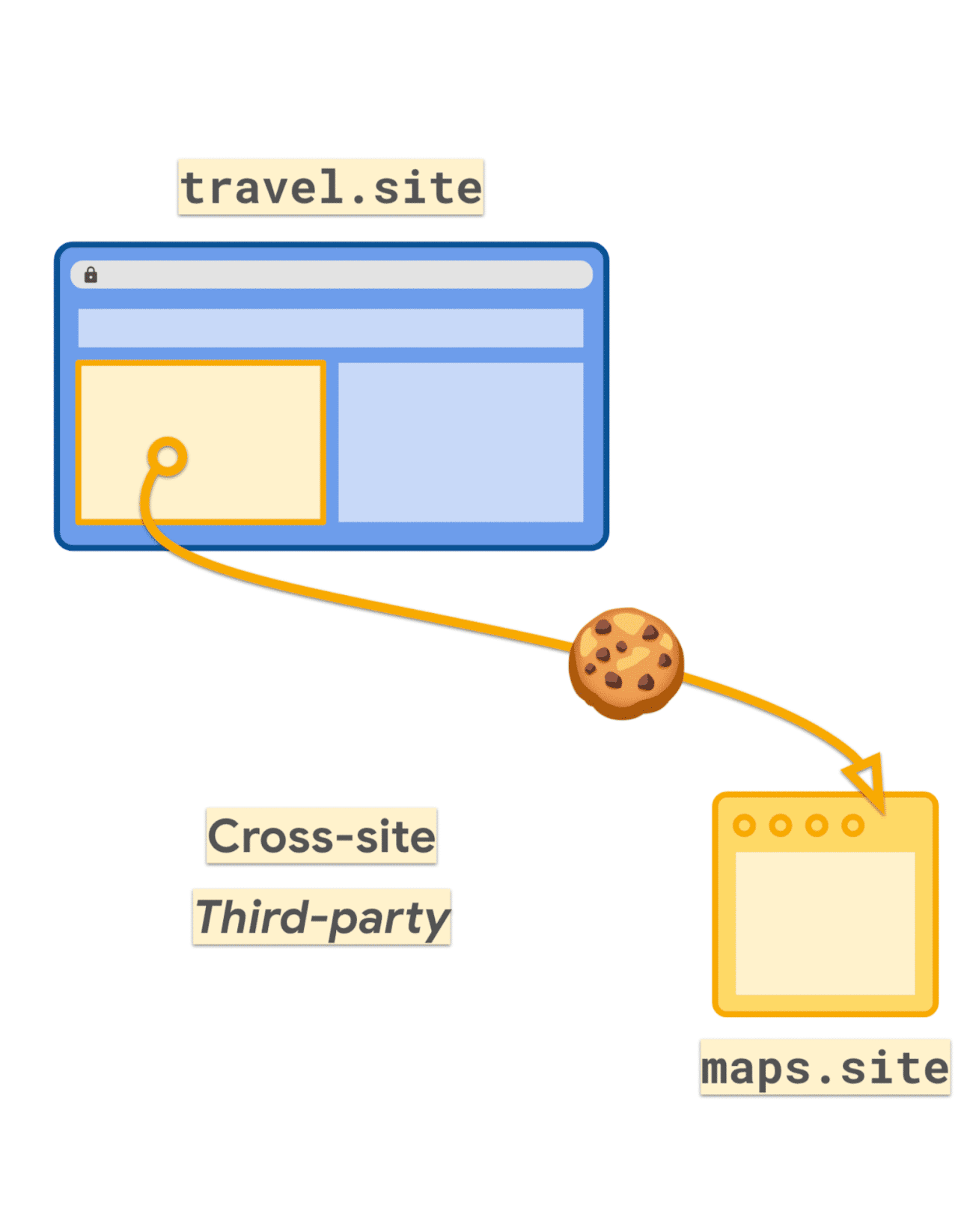
Regulatory changes across the world affect how website and app visitor data is measured and reported.
I created content for advertisers to ask people if they consent to share their personal data, so that they can receive personalized ads, and advertisers can measure their website performance.
CONTENT IMPACT
SENIOR UX WRITER • ANDROID AUTO
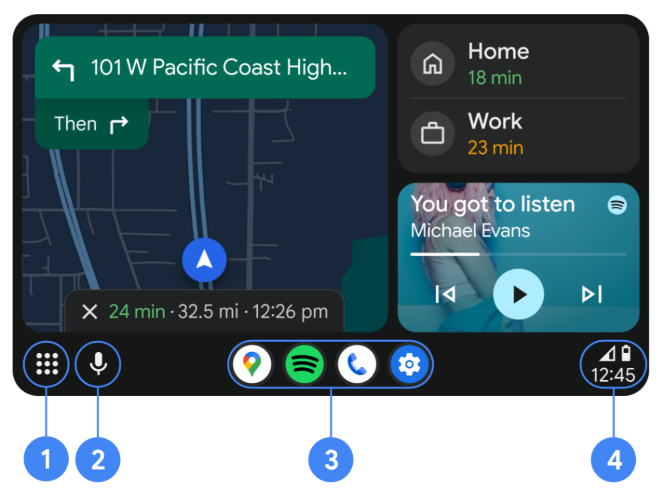
Android Auto is a platform for displaying apps on the car screen. It's available as a phone app and a built-in vehicle infotainment system.
I wrote Android Auto UI text, design guidelines, and style guides. Content design for a vehicle is unique because it has to be shorter for safety reasons: so users can focus on driving.
01 / UX WRITING
I designed UI text for all Android Auto settings experiences. These have a simple, conversational tone while keeping content extremely short so that users can focus on the road in front of them.
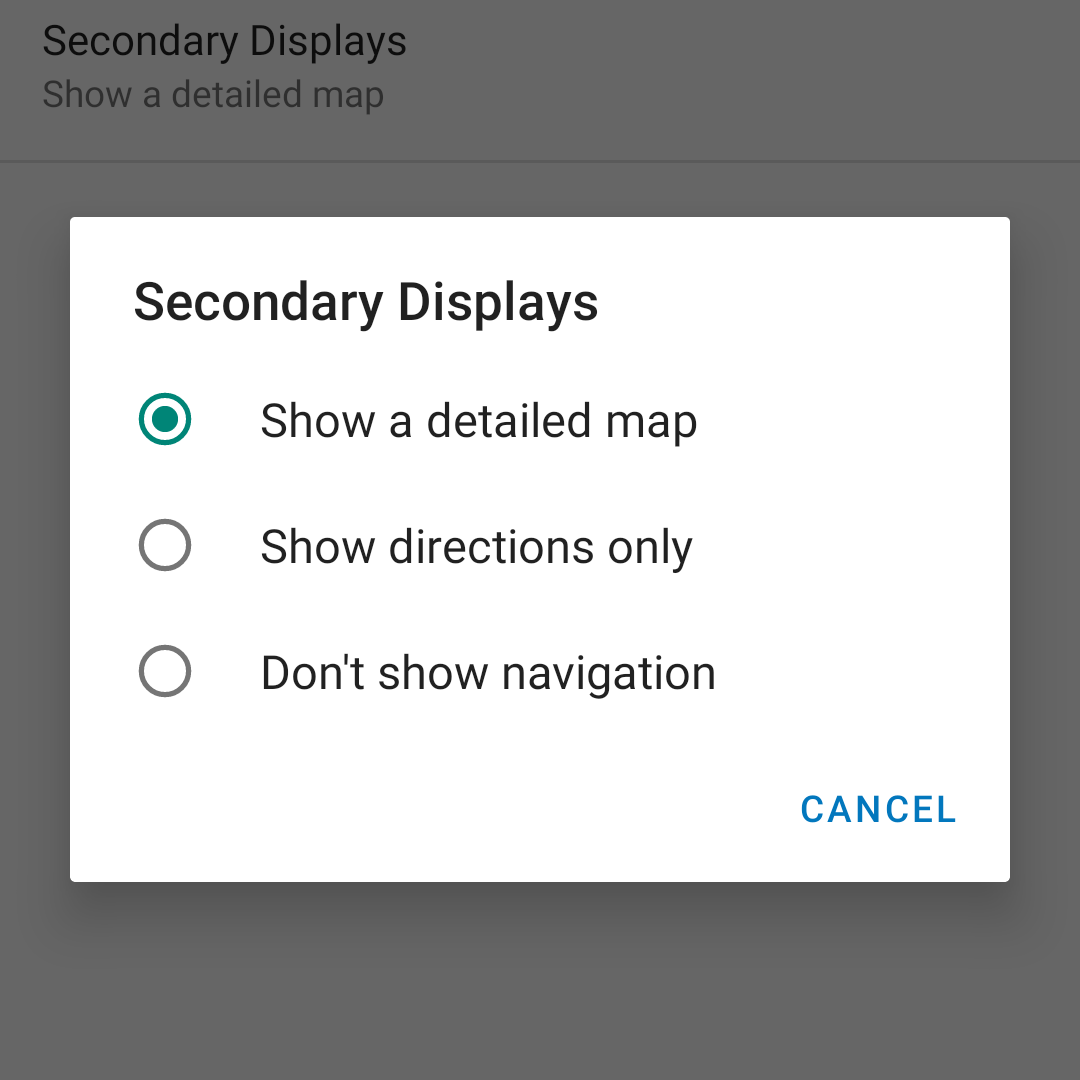
Some vehicles have more than one screen. This setting lets drivers choose what to show there.
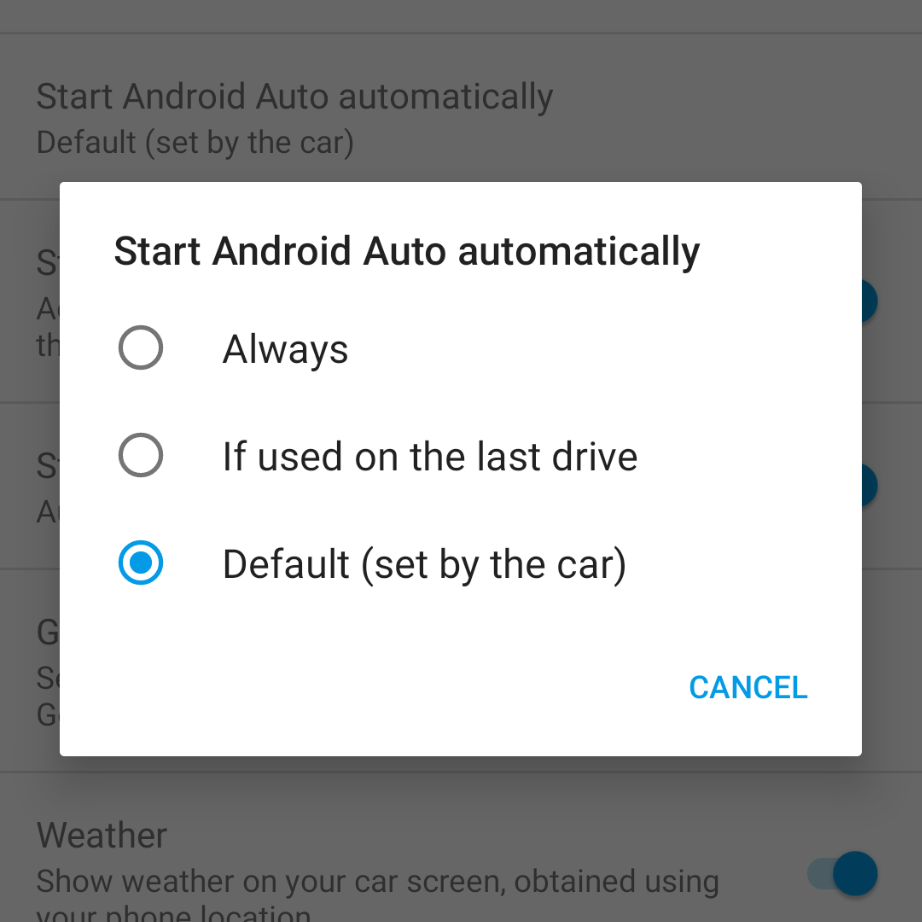
How and when to start Android Auto
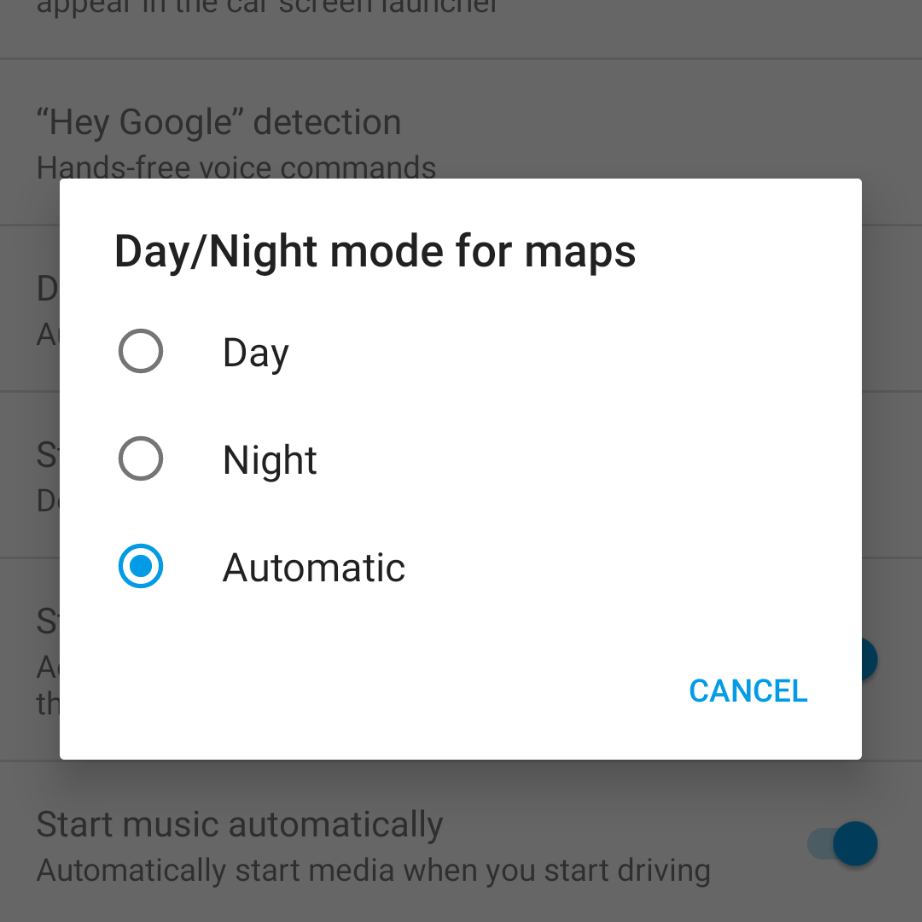
Customize your map brightness for time of day
02 / STYLE AND GUIDELINES
NON-PUBLIC GUIDELINES
I crafted design guidance for select Android Auto partners for these experiences:
PUBLIC GUIDELINES
I crafted design guidance for use by all Android Auto third-party developers and designers, including the layout guidelines ↗.
I crafted the team content style guide for UI text, including:
Android Auto layout design guidelines
LEAD WRITER & CONTENT STRATEGIST • GOOGLE ONE
Google One is Google’s premium membership program. It gives users expanded storage, personal customer support, security features, and more.
I created foundational content strategy and wrote UI content for the UI, onboarding, features, customer support, and partnerships.
01 / CONTENT STRATEGY
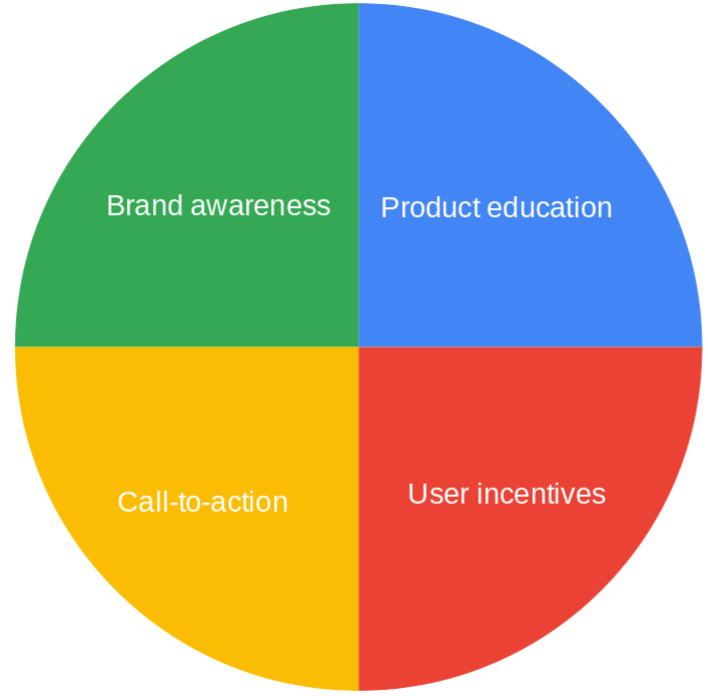
I developed a prioritization framework used across Google One content, mapping user needs to business needs for these content areas:
The focus of content moment depended on:
Different content takes precedence at different moments.
The Google One team, not just its customers, needed to be able to find information easily. Rather than a traditional word list, I created a content library structured around user journeys, including core interactions, onboarding, purchase flows, common actions.
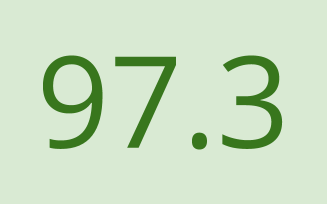
In tandem with other research methods, I performed regular content readability testing ↗ to vet content approach-ability and comprehension.
Readability score
02 / UX WRITING
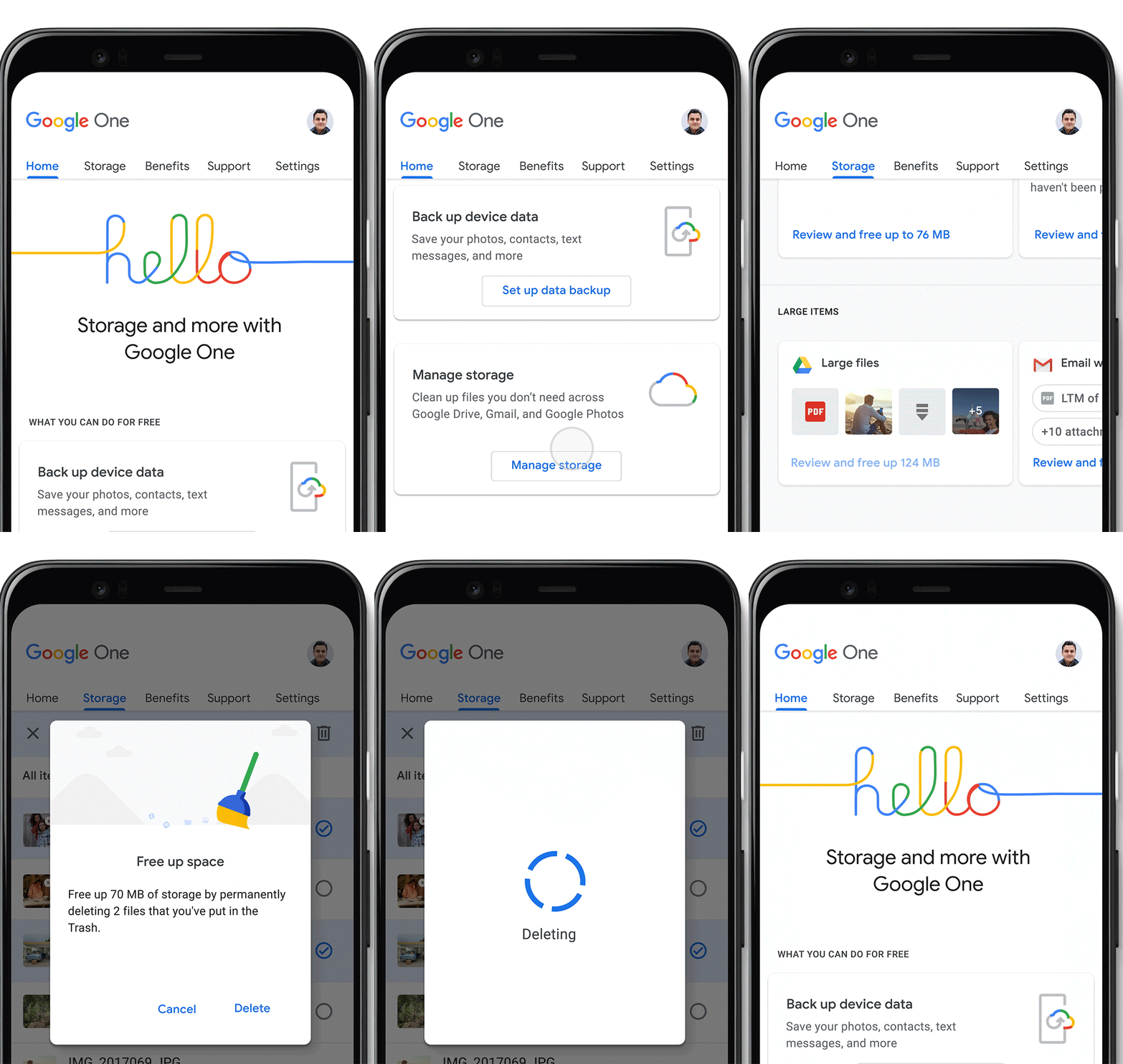
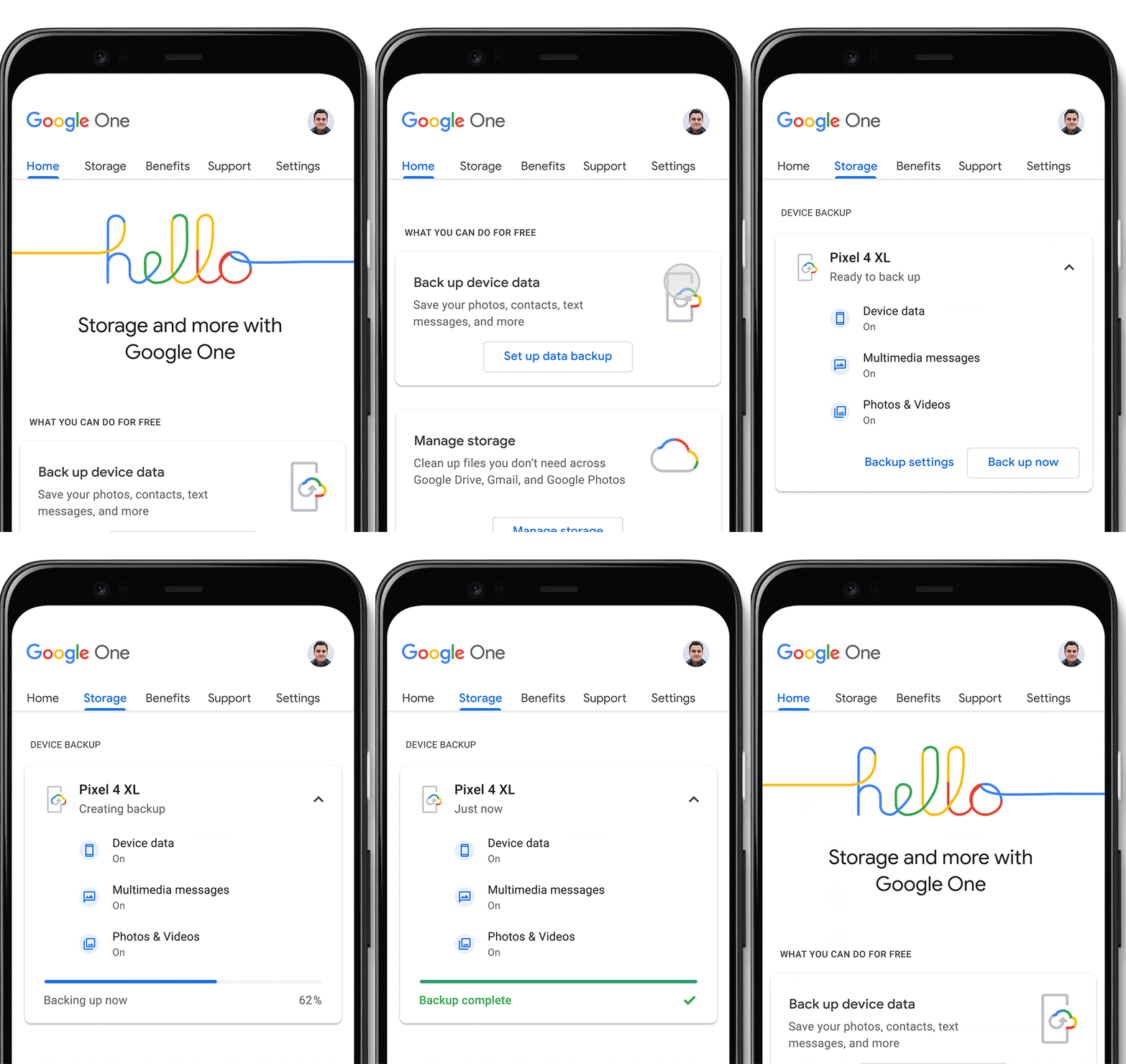
A primary offering of Google One is increased cloud storage for your files, photos, and more. Because Google One offers both a free and a paid version of the product, there are different experiences for different audiences – each with the goal of helping people preserve and improve their data storage.
I HELPED SHAPE THE DESIGN AND WROTE ALL CONTENT FOR THE GOOGLE ONE APP, WHICH INCLUDED THESE EXPERIENCES:
On the Google One storage web page, this card uses the phrase "get your space back." It resonates with the physical space used by the elephant on the sofa.
03 / LANGUAGE RESEARCH
I led a cross-functional UX testing task force to test product content in product UIs. We tested user response to metrics like:
Comprehension — How clearly users understand core storage and membership concepts.
Relevance — How well the message aligns with user goals at that moment in the journey.
Appeal — How human, helpful, and trustworthy the phrasing feels across audiences.
LEAD WRITER • GOOGLE MATERIAL DESIGN
The Material Design guidelines are the official documentation of Google's design system used by designers and developers worldwide. As the lead writer for the guidelines, I defined the voice, terminology, and information architecture.
Topics included: visual and interaction design, components, animation, color theory, layout, machine learning, usability, and more.
Over 130,000 words across the official Material guidelines.
Around 1,900 images (with captions) illustrating system specs.
522 videos demonstrating interaction and animation principles.
01 / MATERIAL DESIGN
I worked with 20+ designers across product areas to create design guidance for monthly launches. Writing samples from the guidelines include:
I standardized terminology used across the guidelines in collaboration with the design team. Some terms include:
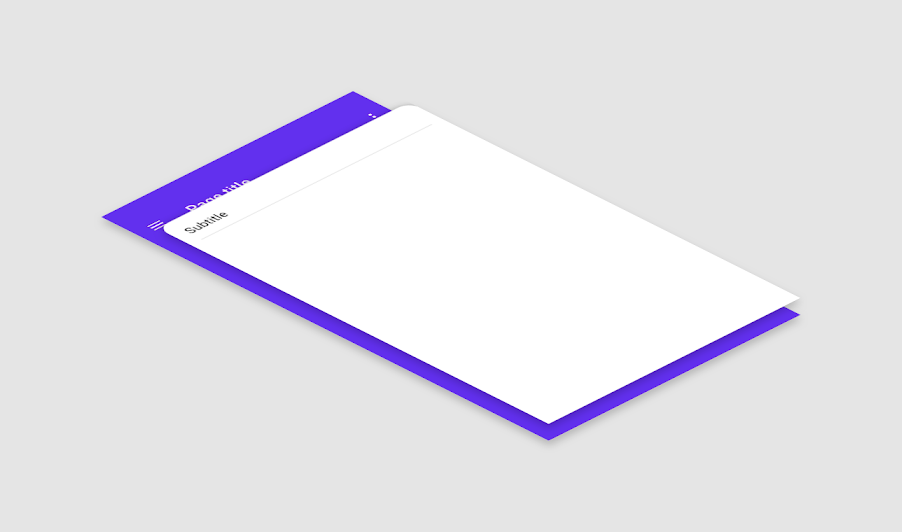
I named the backdrop ↗ component. The name is a play on theatre terminology, describing the interactive area at the back of the screen that "sets the stage" for app content.
I edited and shaped the original design guidelines for the following products:
The Material backdrop
02 / GETTING STARTED GUIDE
I started a cross-functional content committee to tackle material.io information architecture, content templates, and supplemental content creation.
Our first project was to design a page for Material Design newcomers, placing overviews and tools all in one place.
03 / DEVELOPER CODELABS & TECHNICAL WRITING
I revamped the codelabs for Material Design Components (launched at Google I/O 2018) for the following languages:
04 / METHODOLOGY & TERMINOLOGY
I advocated for terms used across audiences, such as context-agnostic terms like opacity – not "alpha value," which is Photoshop-specific – that can be easily localized.
Where applicable, I grounded design principles in actual user experiences, to help those less familiar with design understand how a principle relates to the design in their website or app:
“Your brand UI can be reflected in UI elements, such as a floating action button shaped like your logo. This lets users experience your brand through a clickable interaction.”
GUIDELINES AND UX WRITER • GOOGLE VR
Google VR showcases Google's efforts in virtual reality. As a 20% project, I created content for a variety of VR experiences.
I also shaped the original Google VR design guidelines ↗.
01 / CARDBOARD CAMERA
I crafted welcome descriptions for Google's VR photos ↗, emphasizing qualities (sound, depth, and texture) in a way that resonated with the virtual imagery of scenes:
Unwind to the sights and sounds of your favorite spots with VR photos
Witness the moment in every direction with VR photos
Near things look near and far things look far with VR photos
I wrote the app store product description ↗ for Cardboard Camera:
Capture and share moments with virtual reality (VR) photos. VR photos let you experience scenery and sound in every direction and in 3D, making near things look near, and far things look far. From vacation travels to family get-togethers, capture the moment with Cardboard Camera and relive it in VR.
To experience your photos in VR, place your phone into a Google Cardboard viewer (http://g.co/cardboard).
02 / GOOGLE VR
I coined the term “motion intensity” to describe motion sickness without using the word "sick."
THE MEANING BEHIND EACH WORD
Every app on Daydream is given a motion intensity rating ↗, shown prominently in the VR Play store.
"There will also be a new piece of information called 'motion intensity.' Programs will be described as having no motion, moderate motion, or intense motion," said Google staff designer Alex Faaborg.
The Play Store will also have motion intensity ratings in case there's some VR you can't handle well.
VISUAL STORYTELLING & ESSAYS
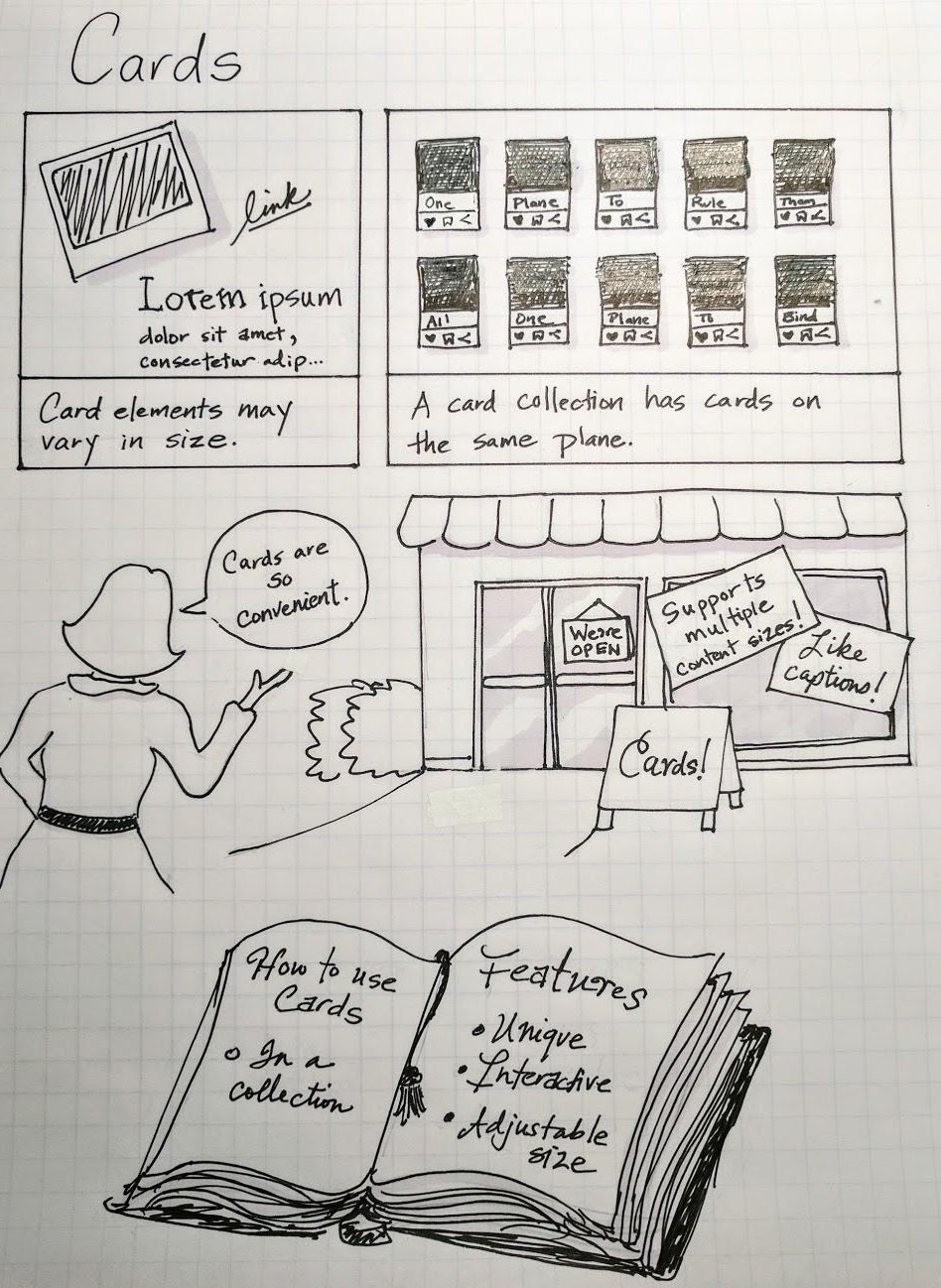
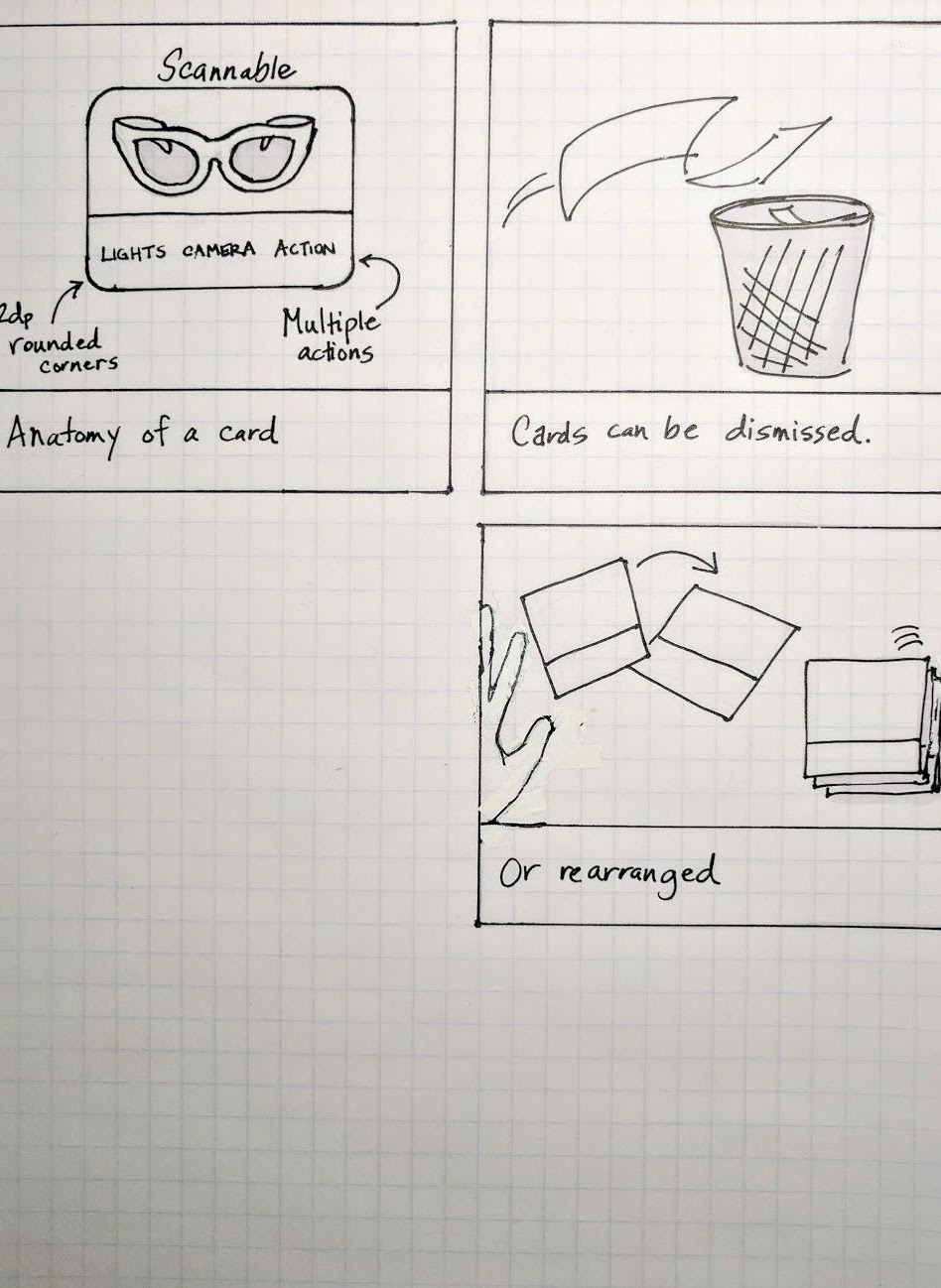
If you took a section of the Material guidelines, such as the Card component ↗, it could look like this as a comic:
02 / PUBLISHED ESSAYS
CONVERSATIONAL PORTFOLIO AGENT
Explore Emily’s content design work, AI system instruction methodology, and product experience through her custom-built portfolio chatbot.
SUGGESTED PROMPTS TO TRY